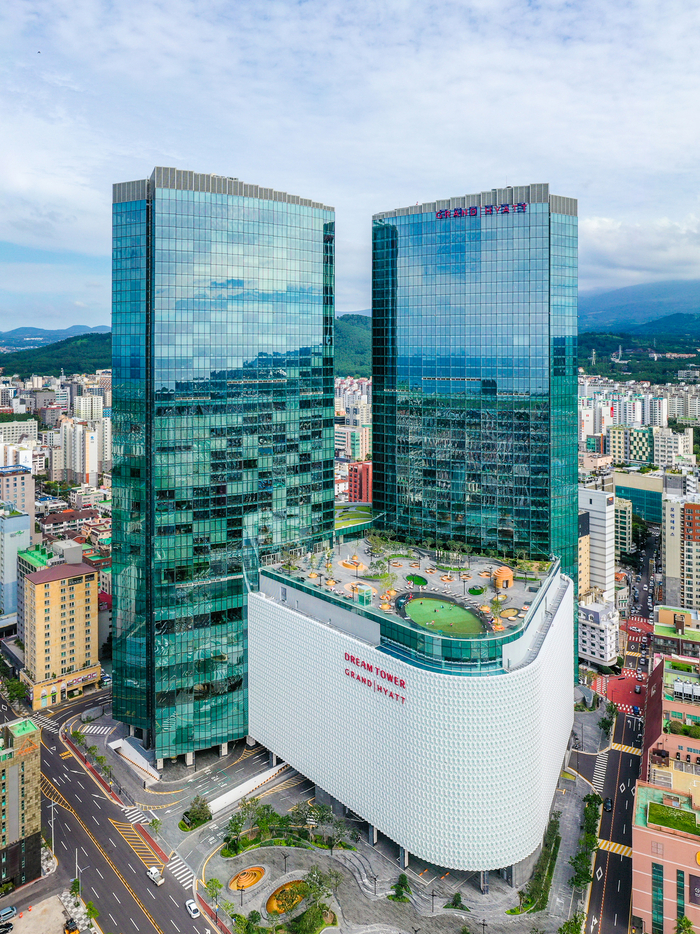
Jeju Dream Tower has delivered another strong performance, with casino sales reaching around US$32.7 million in May.
This was a new May record for the property and also one of its strongest monthly performances ever. The result shows that Jeju Dream Tower is no longer just recovering from the pandemic period. It is entering a stronger growth phase, supported by tourism, casino demand, hotel strength, and better marketing execution.
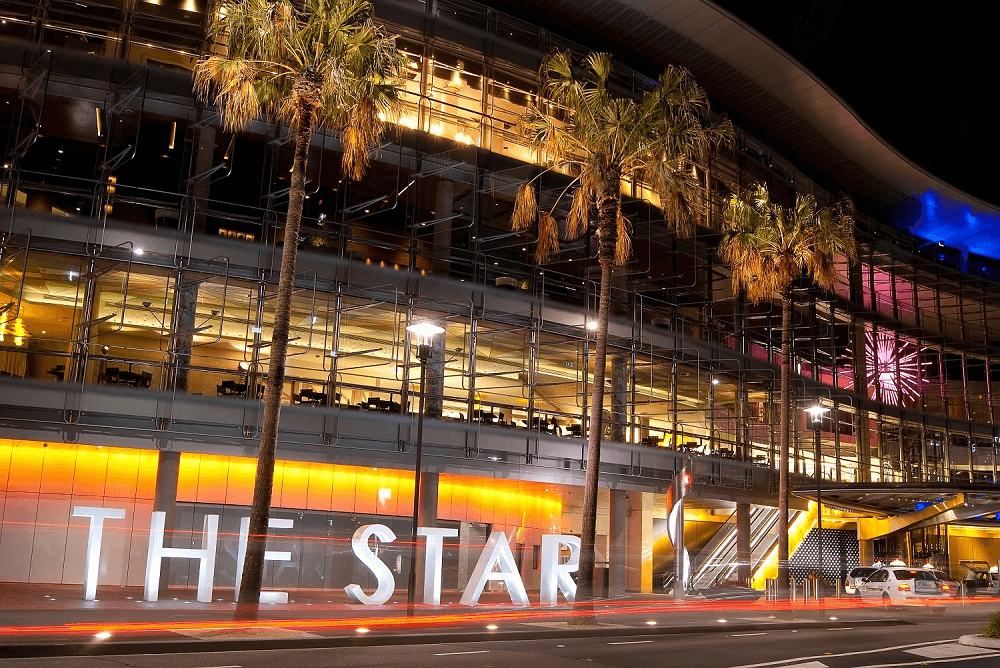
The Star Sydney has been fined AU$10 million by the NSW casino regulator for historical financial crime and responsible gaming risk failures.
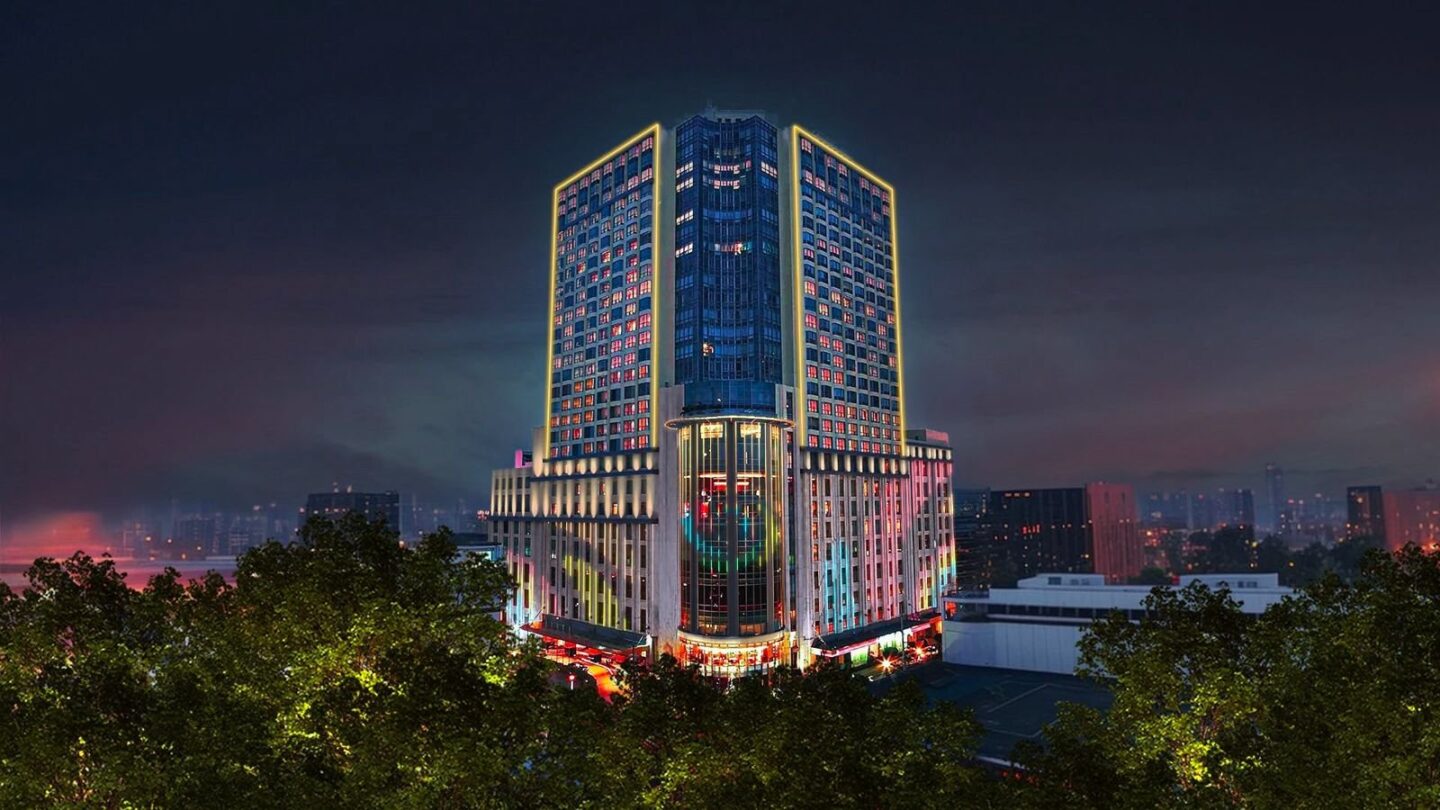
International Entertainment Corporation has signed a new construction contract worth around US$9.2 million for further upgrade works at LaVie Resort & Casino in Manila.
Las Vegas Sands’ US$8 billion Marina Bay Sands IR2 expansion is not just another hotel tower. It is a long-term bet on Singapore’s ability to remain one of Asia’s strongest premium tourism, entertainment, and MICE destinations.
Wynn Macau’s latest AGM outcome sends a clear signal: the company is trying to balance shareholder returns, employee retention, and long-term growth discipline in a competitive Macau market.
 Author: Janice Chew • Monday, 01/06/2026